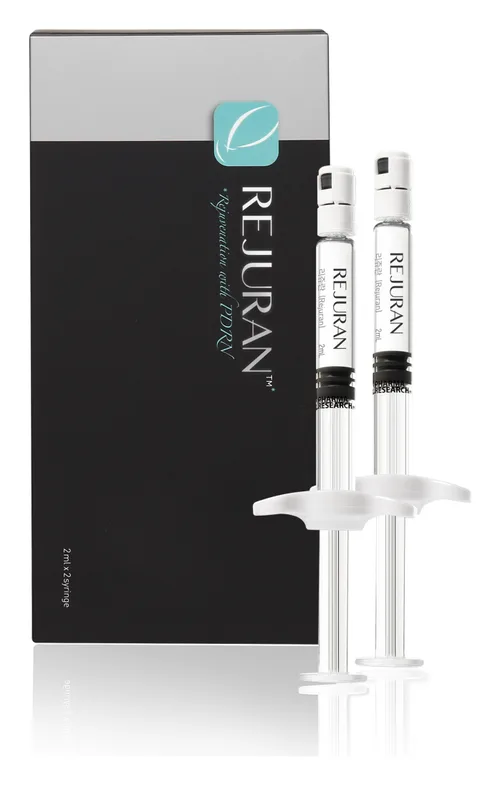


Skin booster side effects are mostly brief reactions where the needle went in: redness, swelling, small bruises and raised blebs of hyaluronic acid, PN or PDRN sitting in the upper dermis. Less often a lump stays, an infection starts or, rarely, product presses on or blocks a blood vessel. Below they are sorted by how serious they are, because booster studies are too small to give reliable rates.
Expected skin booster reactions on the face
A booster session places dozens of tiny deposits across the cheeks, forehead or neck, so the face reacts as it would to many small punctures. These reactions are part of the procedure itself and generally settle without treatment:
- Redness at each entry point: a dotted pink pattern that typically fades within hours to a day.
- Swelling: a soft puffiness, often more noticeable the next morning, that eases over a few days.
- Raised blebs: little domes of product that flatten as it spreads into the surrounding tissue.
- Bruising: purple or yellow spots where a capillary was nicked, more likely on thin skin and in people who bruise easily.
- Tenderness: mild soreness to the touch, mainly over bony areas such as the cheekbones.
How strongly each one shows varies by person and by product, and none of them means the treatment went wrong.

The doctor who plans and performs it
Swipe to see all 4 doctorsUse the arrows to see all 4 doctors

- Resident, Myongji Hospital
- Chief Epidemiological Investigator, Incheon Metropolitan City
- Director, Yeonpyeong Health Center
- Bachelor of Medicine, Kyung Hee University
- Internship, Kyung Hee University Hospital
- Full Member, Korean Association of Aesthetic Medicine
- Full Member, Korean Society of Obesity & Aesthetic Medicine

- Member, Korean Society for Obesity
- Member, Korean Society of Lifting
- Member, Korean Society of Aesthetic Surgery & Laser Medicine
- Member, Korean Society for Obesity
- Member, Korean Society of Aesthetic Surgery & Laser Medicine
Your doctor plans your treatment one-to-one and performs it personally.
Meet all four doctorsSkin booster lumps: why they form
A lump is product that has gathered in one place instead of spreading out. The usual reasons are an injection placed too close to the surface, a larger amount at one point, or pressure on the area before it has settled. Small lumps of hyaluronic acid or polynucleotide generally soften over the following weeks as the body absorbs and redistributes the material.
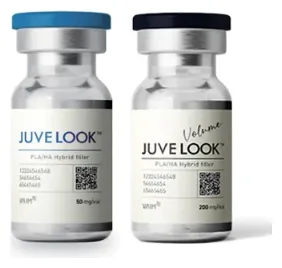
Collagen-stimulating injections behave differently. Products built on PDLLA, such as Juvelook, or on poly-L-lactic acid, such as Sculptra, work by provoking a tissue response, and an uneven response can leave a firm nodule that appears weeks after the session. Massage instructions and placement depth matter more for these products, so the doctor explains them for the product chosen.
A bluish tint where hyaluronic acid was placed too shallow is a separate problem known as the Tyndall effect. It does not resolve on its own as quickly, and hyaluronic acid can be dissolved with an enzyme called hyaluronidase when a doctor judges it necessary.

Skin booster side effects by how long they last
| Redness at needle points | Generally hours to about a day |
|---|---|
| Swelling | Typically eases within a few days |
| Small bruises | Can take around a week to fade; varies |
| Soft lumps of HA, PN | Usually soften over several weeks |
| Firm nodules after PDLLA, PLLA | Uncommon; may appear weeks later |
| Infection, vessel blockage | Rare; needs prompt medical care |

Who is more prone to skin booster side effects
Some situations raise the chance of a reaction or make it harder to tell normal healing from a problem. Mention any of these when you book:
- Active acne, a cold sore or broken skin in the area to be treated, which should heal first
- A known allergy to hyaluronic acid or to lidocaine, the numbing agent mixed into some gels such as SkinVive
- Blood-thinning medication or supplements, which can make bruises larger
- Birth control pills or other hormone medication, which the doctor should know about beforehand
- Pregnancy, breastfeeding or being under adult age: message the clinic before booking
Recent filler, a thread lift or laser treatment on the same area also changes the plan, so list what you had done in the past few months.

Rare skin booster complications and urgent signs
Infection is uncommon after a booster but shows as redness and heat that spread, pain that grows after the second day, or a pus-filled spot at an entry point. Vascular occlusion, where product blocks a small vessel, is rare with fine superficial injections. Its signs are skin turning pale, gray or blotchy, severe pain out of proportion to the procedure, and in the worst case changes in vision. That needs emergency care without waiting.
Published booster studies are mostly small, so they say little about how often complications occur. A 20-person study of nanochip mesotherapy had no control group and found gains in texture and brightness at four weeks, but no clear change in pigment, vessels or elasticity (Hu et al., 2020). A randomized trial of hyaluronic acid with glycerol given as microinjections measured firmer, more elastic skin, more so after three sessions (Kleine-Börger et al., 2022). Neither paper sets a complication rate.
If something changes after you return home, send the clinic a photo first so the doctor can judge it. Spreading redness with fever, or any vision symptom, calls for a local emergency department right away.


Research behind this page
- Effect of mesotherapy with nanochip in the treatment of facial rejuvenationJournal of Cosmetic and Laser Therapy · 2020doi:10.1080/14764172.2020.1740272
Uncontrolled 20-person study of nanochip mesotherapy: texture and brightness improved at four weeks, pigment, vessels and elasticity showed no clear change, and effects were not lasting.
- Microinjections with hyaluronic acid in combination with glycerol: How do they influence biophysical viscoelastic skin properties?Skin Research and Technology · 2022doi:10.1111/srt.13167
Randomized study of hyaluronic acid with glycerol microinjections: firmness and other viscoelastic skin measures improved, more clearly in the group treated three times.
Booster side effects: common questions
Is it normal to feel lumps after booster injections?
Small soft lumps in the first days are common, because product sits in tiny pockets before it spreads. They generally soften over the following weeks. A lump that stays firm, grows or turns tender after several weeks is not routine and should be shown to the doctor.
Can a skin booster cause an allergic reaction?
It is possible but uncommon. Hyaluronic acid is a substance the body already makes, yet some gels also contain lidocaine, and people react to it occasionally. Itching, hives or swelling that spreads beyond the treated area needs medical attention, and a known allergy should be mentioned before the session.
Do side effects differ between HA and PN boosters?
Somewhat. Hyaluronic acid draws in water, so swelling can look fuller for a day or two, and gel placed too shallow can show a bluish tint. Polynucleotide and PDRN injections tend to leave more visible blebs at first. Collagen-stimulating products carry a small risk of delayed nodules.
Is a bruise a sign that the booster was done badly?
No. With dozens of needle entries, touching a tiny vessel now and then is hard to avoid, especially under the eyes or in people taking blood thinners. Bruises fade from purple to yellow over several days and can be covered with concealer once the skin has closed.
Can side effects appear weeks after a skin booster?
Late reactions are uncommon but can happen, mainly firm nodules after collagen-stimulating products or a delayed inflammatory lump. If you notice one after flying home, message the clinic with a photo before seeing anyone else. Pain, heat or fever alongside it needs a local doctor promptly.
Who should avoid skin boosters for now?
Anyone with an active infection, cold sore or acne flare in the treatment area should wait until it heals. Pregnancy, breastfeeding and being under adult age are reasons to message the clinic first, before any booking. Hormone medication, including birth control pills, should be mentioned to the doctor in advance.