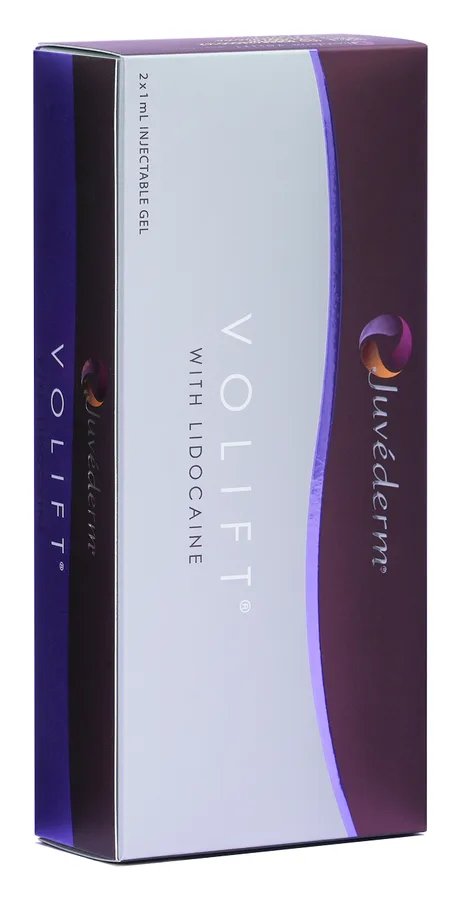

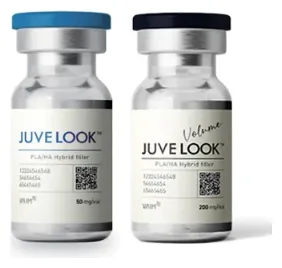
Juvelook Skin and Juvelook Volume, two PDLLA options
Juvelook pain level is generally described as quick pricks plus a brief stinging pressure as the PDLLA gel enters the skin, felt through the numbing cream that the clinic's treatment guide lists for each session. Juvelook Skin means many shallow entry points across a wide area, while Juvelook Volume uses fewer and deeper ones. How much you notice varies by person.
What Juvelook injections feel like, stage by stage
The injecting itself takes about 10 to 15 minutes according to the clinic's guide, so the uncomfortable part is short. The descriptions below are general and differ between people:
- Numbing cream on the skin: cool at first, then a faint tingle as it starts to work.
- Needle entry: a small, sharp prick at each point, dulled by the cream.
- Gel going in: pressure or a short sting while the product spreads into the tissue; some people call it a light burn.
- Straight after: warmth and a tight, slightly sore feeling over the treated zone.
A pooled analysis of biostimulant studies found injection pain to be the most frequently reported minor reaction, at a pooled rate of about 92%, ahead of bruising and redness (Smith et al., 2025). The studies were observational and varied widely, they covered collagen stimulators as a class that works on the same principle as Juvelook's PDLLA, and the figure counts any discomfort, however mild.
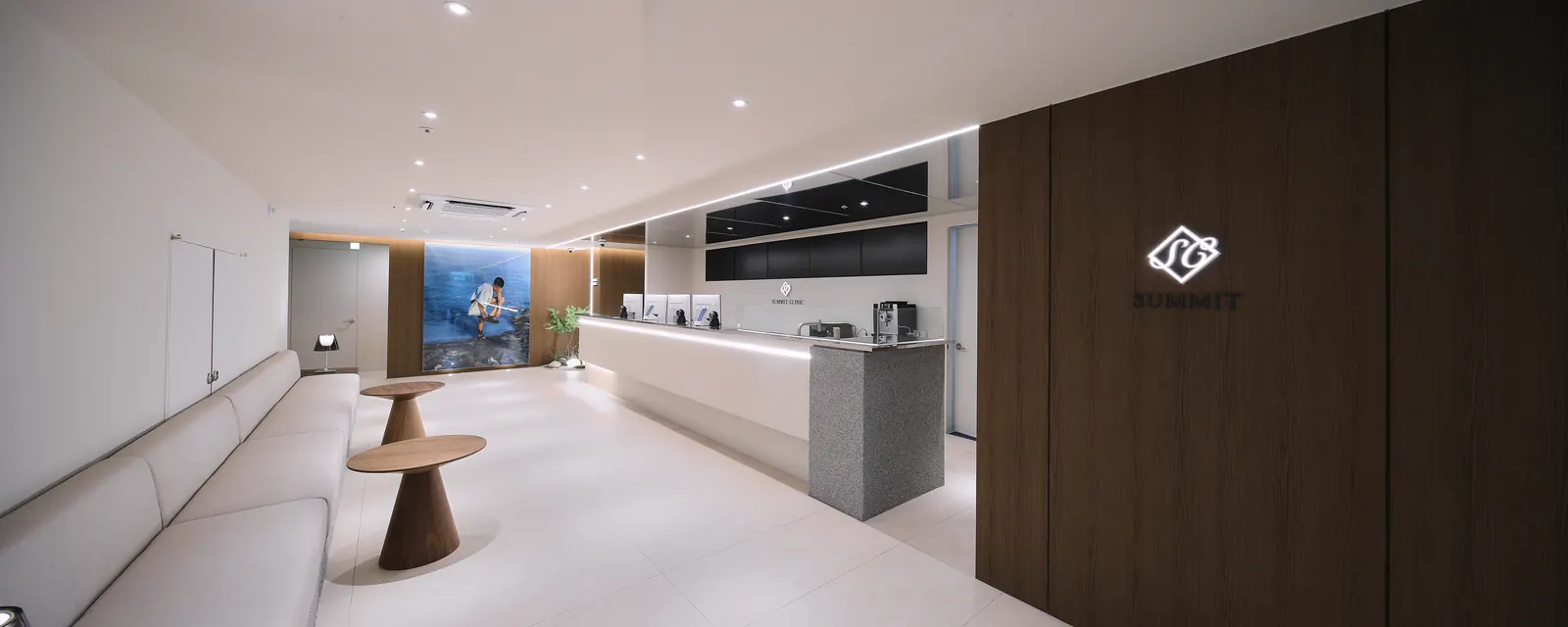
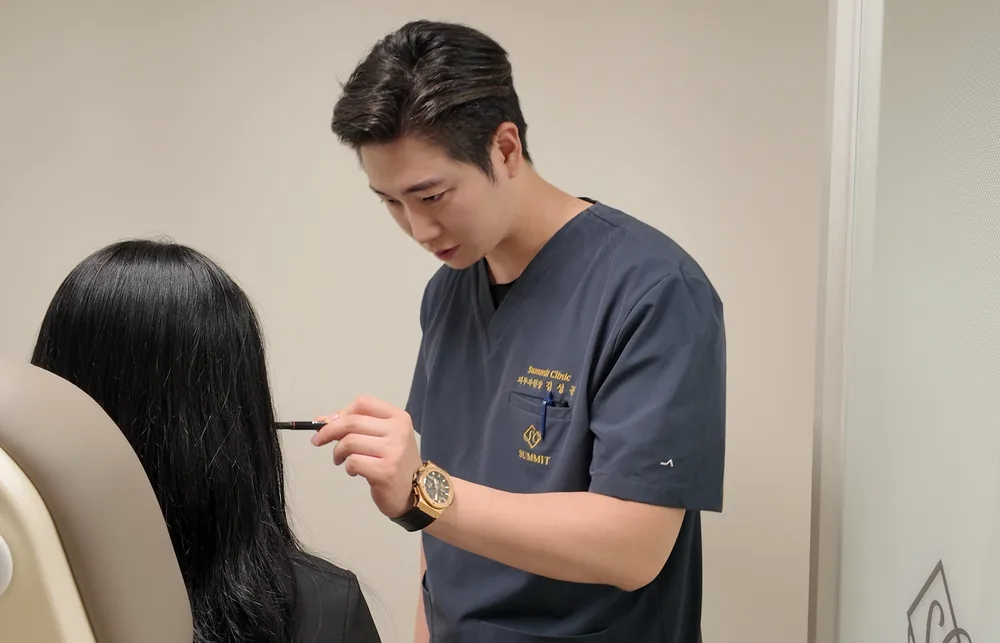
At Summit Clinic the doctor who marks your injection points on the 3D Meta-Vu images is the one who gives the injections, so you can ask that person directly for a pause between areas.
The doctor who plans and performs it
Swipe to see all 4 doctorsUse the arrows to see all 4 doctors

- Resident, Myongji Hospital
- Chief Epidemiological Investigator, Incheon Metropolitan City
- Director, Yeonpyeong Health Center
- Bachelor of Medicine, Kyung Hee University
- Internship, Kyung Hee University Hospital
- Full Member, Korean Association of Aesthetic Medicine
- Full Member, Korean Society of Obesity & Aesthetic Medicine

- Member, Korean Society for Obesity
- Member, Korean Society of Lifting
- Member, Korean Society of Aesthetic Surgery & Laser Medicine
- Member, Korean Society for Obesity
- Member, Korean Society of Aesthetic Surgery & Laser Medicine
Your doctor plans your treatment one-to-one and performs it personally.
Meet all four doctorsReal patients, photographed here
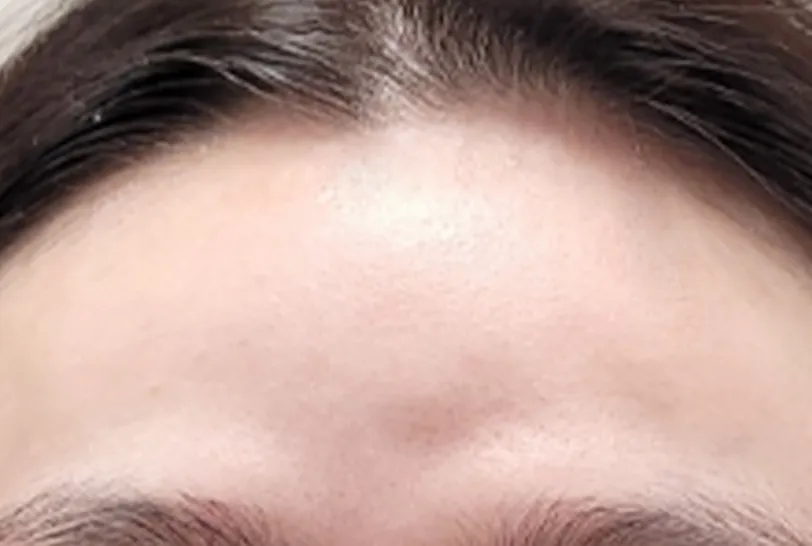 BEFORE
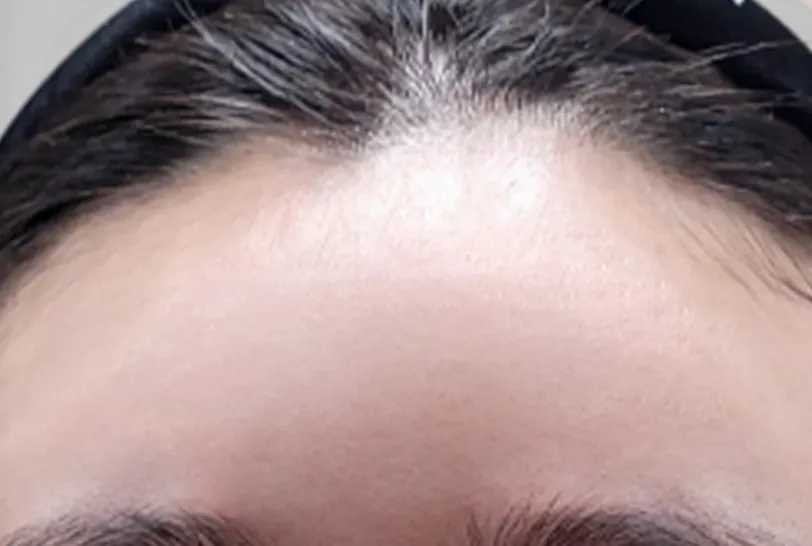 AFTER
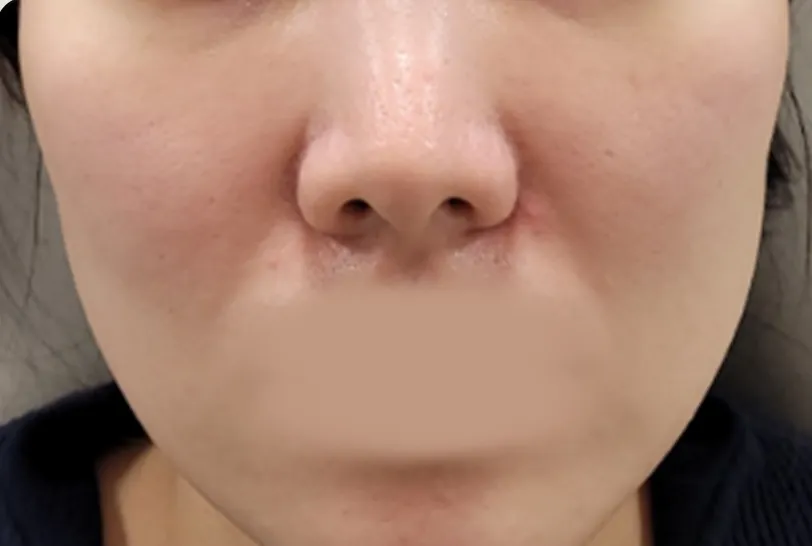 BEFORE
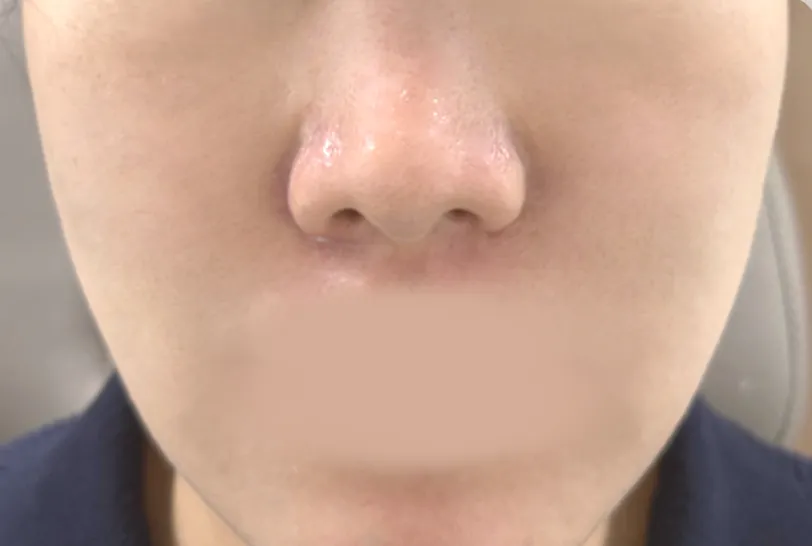 AFTER
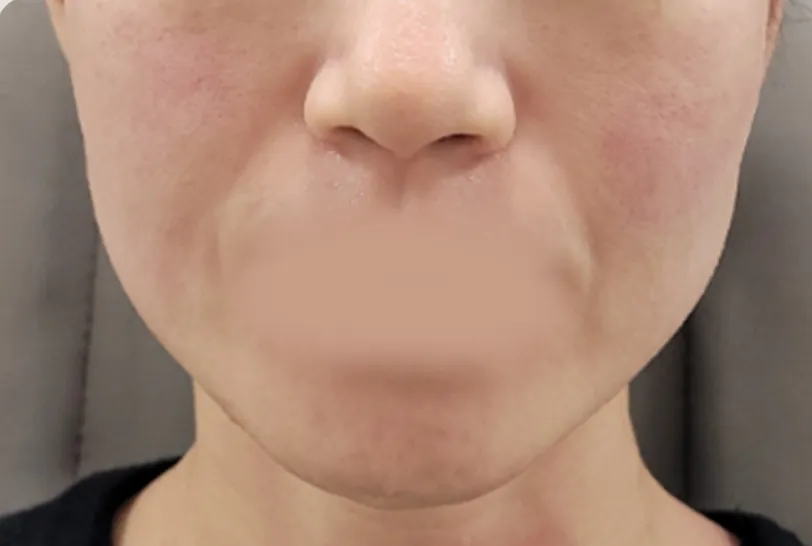 BEFORE
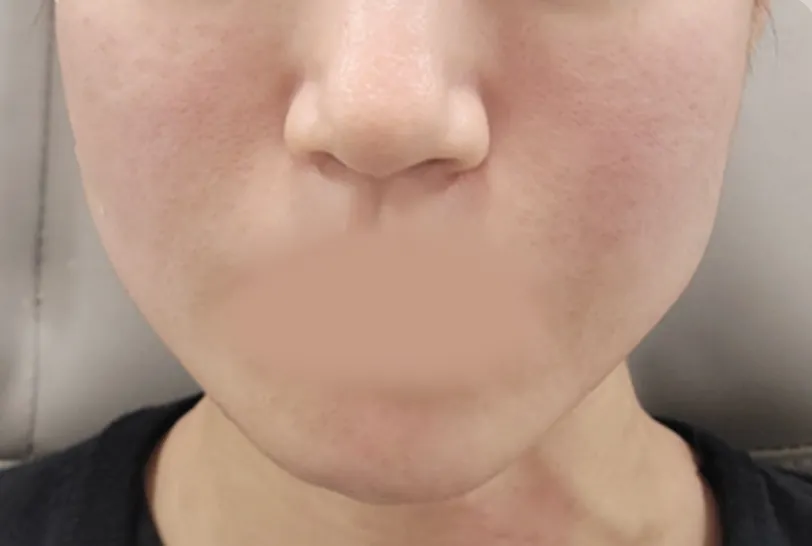 AFTER
Results vary from person to person.
Why Juvelook Volume and Juvelook Skin feel different
Juvelook Skin sits in the upper dermis and is delivered through many fine entry points spread over the cheeks or forehead. Each prick is small, but there are a lot of them, so the sensation repeats. Some people find the sheer number of pricks harder to sit through than any single one.
Juvelook Volume goes deeper, near the spots where the face has hollowed, and through fewer points. There are fewer pricks, yet each deposit is larger, so the main feeling is pressure and a fuller ache that can carry on as tenderness for a day or two. Whether Volume feels worse than Skin depends on the area treated and on your own threshold. We are not aware of a published study comparing the two formulas for pain.
Juvelook sensations in brief
| Numbing | Numbing cream first, per the clinic's treatment guide |
|---|---|
| Injecting time | About 10 to 15 minutes, per the clinic's guide |
| Juvelook Skin sensation | Many small pricks over a wide area; varies |
| Juvelook Volume sensation | Fewer, deeper points with pressure; varies |
| Soreness afterwards | Generally mild tenderness for a day or two |
| Pain growing weeks later | Not expected; message the clinic |
Facial areas where Juvelook can sting more
Sensitivity follows the anatomy of the face. In general terms:
- Near bone, such as the temples, the cheekbone and the jawline: less padding, so pressure registers more sharply.
- Around the mouth and nose: a dense nerve supply makes each prick more noticeable.
- The fleshy middle of the cheek: generally the easiest zone to tolerate.
- The lower eyelid: very thin skin and fine needle work, with a higher chance of a bruise.
Being tired, anxious or running on strong coffee can lower your tolerance. A rested visit, for example on a morning before a walk to Gyeongbokgung Palace, tends to feel easier than one squeezed in straight off an overnight flight.
When Juvelook pain is a reason to call the clinic
Tenderness that fades over a day or two belongs to the normal course. Pain that returns or builds weeks later is something else. A systematic review of foreign body granulomas after collagen-stimulating fillers found they surfaced anywhere from one week to 15 years after injection, with a firm nodule as the most common sign (Wang et al., 2025). The review covered PLLA, calcium hydroxylapatite, PCL and PMMA, and PDLLA works by the same collagen-stimulating principle.
Message the clinic if a tender lump appears weeks after Juvelook, or if an area turns red, hot and more painful. Severe pain that starts suddenly during or soon after an injection, especially with skin turning pale or dusky, or any change in your eyesight, needs urgent medical care immediately. If you are still in the treatment room, say so at once.
Research behind this page
- Biostimulants in Aesthetic Medicine: A Systematic Review and Meta-analysis of Efficacy, Safety, and Patient SatisfactionAesthetic Surgery Journal · 2025doi:10.1093/asj/sjaf142
Systematic review and meta-analysis of 25 biostimulant studies: pooled satisfaction 91%, with minor reactions common (pain 92%, bruising 27%, redness 16%, nodules 5%); observational data with high heterogeneity.
- Foreign Body Granulomas Reaction Related to Collagen Stimulatory Cosmetic Fillers: A Systematic ReviewJournal of Cosmetic Dermatology · 2025doi:10.1111/jocd.70459
Systematic review of 117 foreign body granulomas after collagen-stimulating fillers (PMMA, PLLA, CaHA, PCL): onset from 1 week to 15 years, nodules the most common sign; same principle as PDLLA.
Juvelook pain: questions people ask
Do Juvelook injections hurt?
They cause some discomfort, generally described as sharp pricks and pressure that the numbing cream softens. The clinic's guide lists numbing cream before Juvelook, and the injecting takes about 10 to 15 minutes. The area treated and your own threshold change how it feels.
Does Juvelook Volume feel worse than Juvelook Skin?
They feel different more than worse. Juvelook Volume goes deeper through fewer points, so pressure and next-day tenderness stand out. Juvelook Skin uses many shallow pricks across a wider area. Which one bothers you more depends on the zone treated and your sensitivity.
How long does the numbing cream stay on before Juvelook?
The clinic's treatment guide says numbing cream is used but does not give a fixed time. Topical anesthetics generally need a little while on the skin before they work, so expect a short wait before the first injection. Say so if one area still feels sharp.
Can I take a painkiller before my Juvelook appointment?
Ask the doctor before taking one. Aspirin and ibuprofen can make bruising more likely, so do not start them just for the visit. Medicines you take regularly, including birth control pills or hormone tablets, should be mentioned when you sit down to plan the treatment.
Why does my face ache the day after Juvelook?
A dull ache the next day is generally the tissue reacting to the needle entries and to the volume of gel, and it is more common after Juvelook Volume. It should ease steadily over a day or two. A lump that grows more painful, or warmth that spreads, is a reason to message the clinic.
Can I ask for a break if an area feels too sore?
Yes. You can ask for a pause at any point, and the doctor giving the injections can slow down or come back to a sensitive spot after the others. Speaking up early works better than holding still through a sharp area.