Three things to look at before booking a dermatology clinic in Seoul
A dermatology clinic in Seoul is easier to judge once three things are clear: whether a skin assessment, such as 3D Meta-Vu imaging, comes before any plan is written; whether that plan names each device or product with its unit in shots, cc or sessions; and whether the doctor who draws up the plan also carries it out. Written answers on these points let you place two clinics side by side.
Below are a checklist, the common clinic formats with the questions each one raises, research findings worth knowing before a consultation, and the facts Summit Clinic in Gwanghwamun can show on every point.
Best Dermatology Clinic Korea: Start With the Skin Assessment
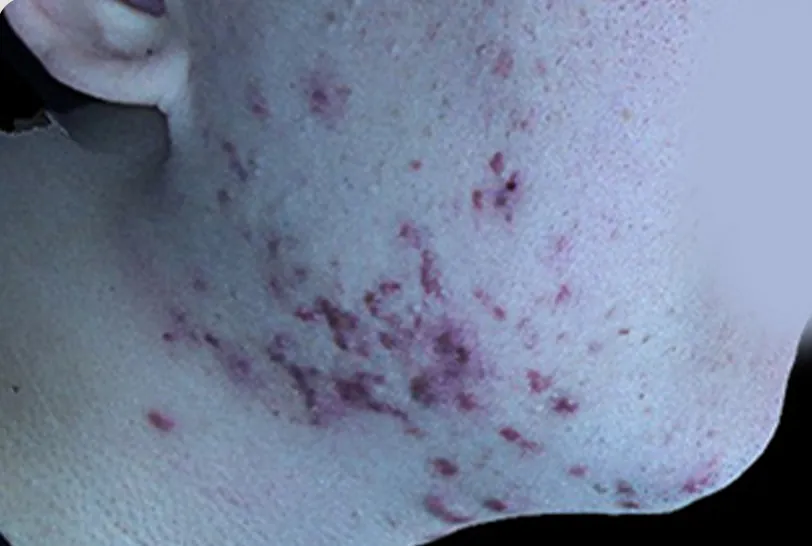
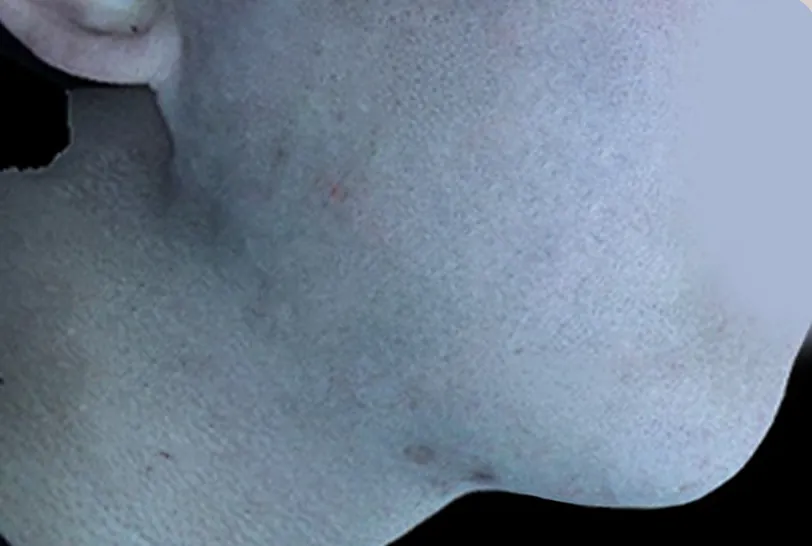
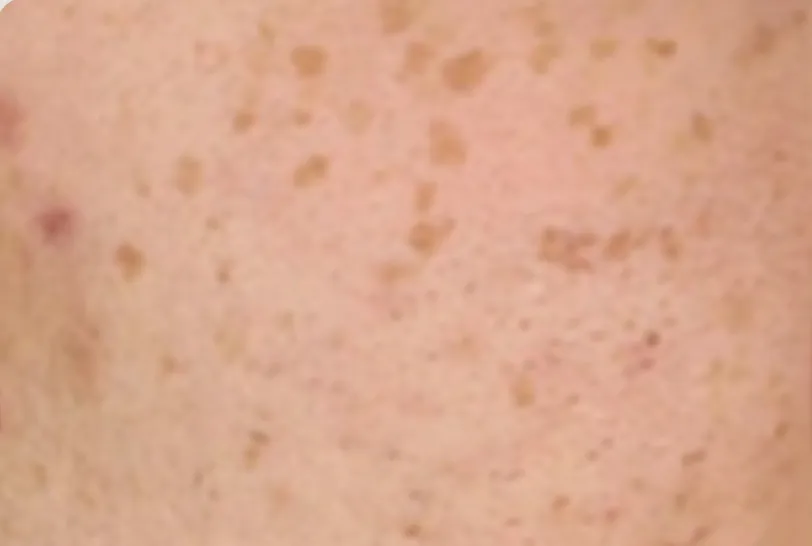
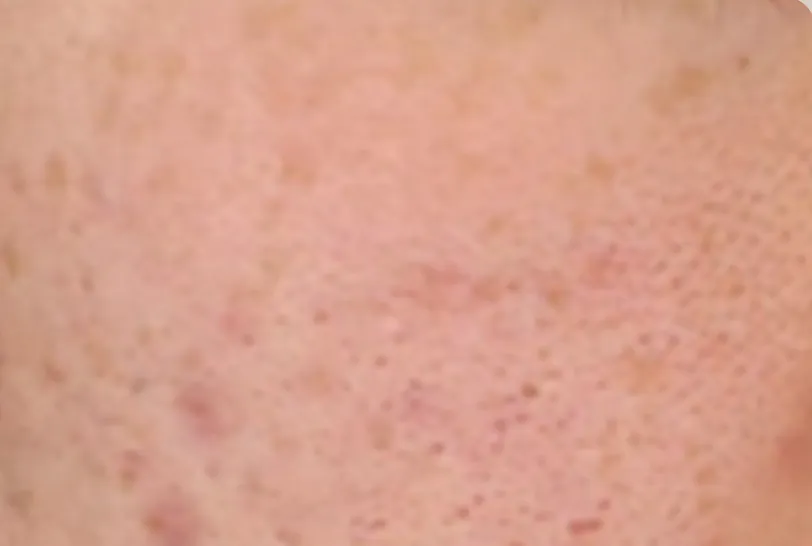
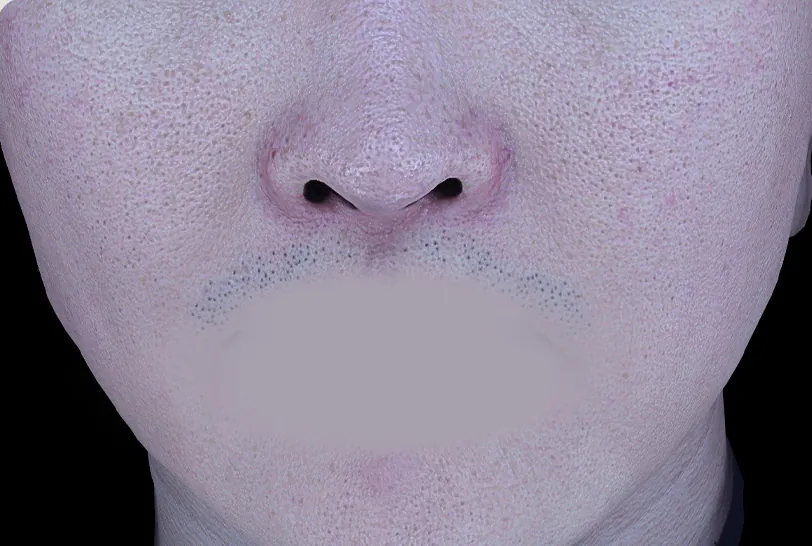
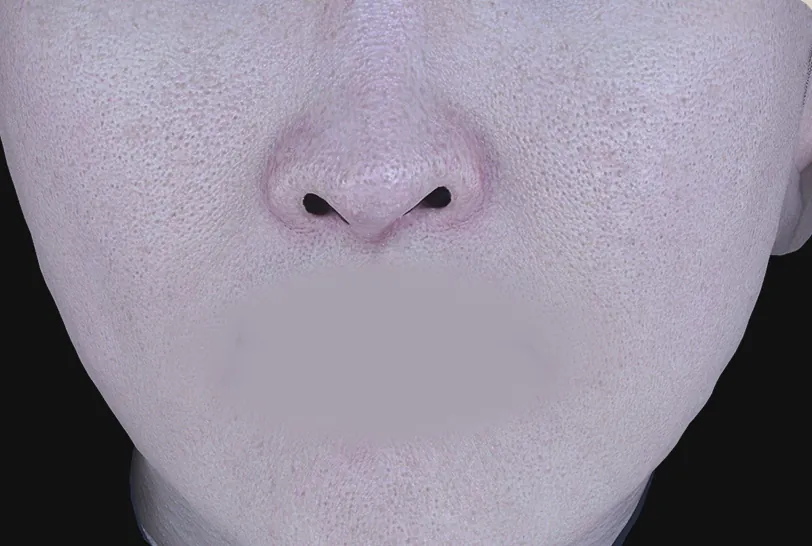
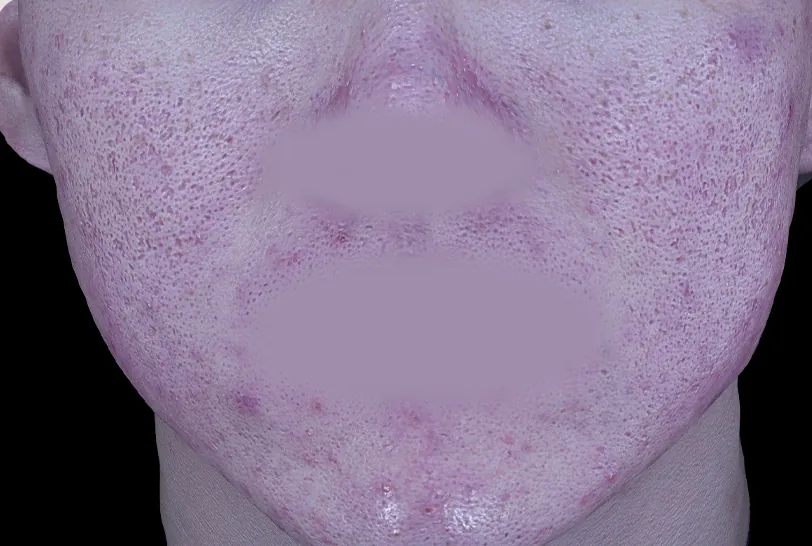
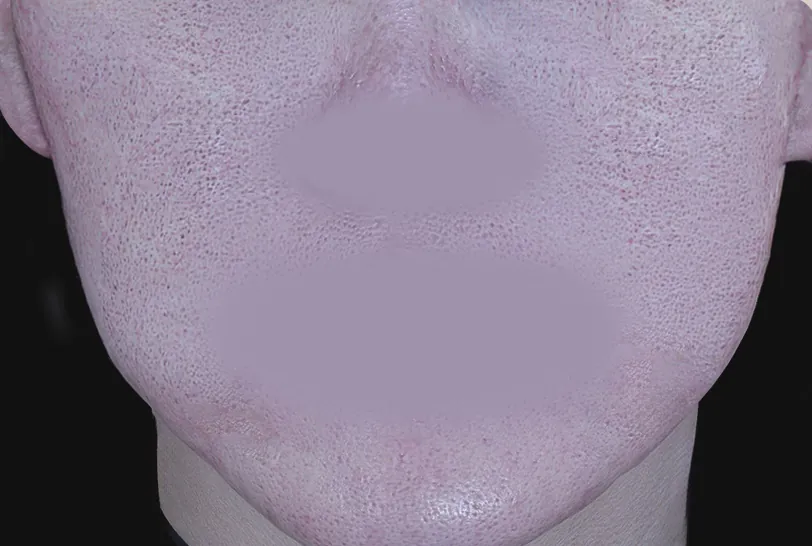
Korean dermatology clinics cover a wide menu under one roof: ultrasound and radiofrequency lifting, injectable skin boosters, lasers for pigment, redness or texture, toxin and filler injections, and laser hair removal. One concern, such as dull and uneven skin, could lead to any of these categories. The assessment is the step that decides which one fits you, so it deserves the closest look.
- The assessment is recorded. Imaging such as 3D Meta-Vu or Mark-Vu, or at least a written note of what the doctor sees in terms of pigment, redness, laxity and texture, gives the plan a starting point you can refer back to.
- Each concern is linked to a category, with a reason. You should hear why laxity points toward an energy device, why fine texture points toward a booster, or why brown spots point toward a laser, in plain words.
- Devices and products appear by name and unit. “Laser package” or “booster” alone tells you little; a brand name next to shots, cc or a session count does.
- Layering is explained. When two treatments share one visit, ask about the order, the depth each one works at and whether the combination changes recovery.
- The person holding the device is named. Ask who performs each step once the plan is agreed.
- Aftercare comes in writing. A short sheet on what to avoid and which messenger to use after your flight saves guesswork later.
Dermatology clinic formats in Seoul and the questions each one raises
| Clinic format | Typical focus | Ask before booking | Papers to take home |
|---|---|---|---|
| Clinic centered on medical skin conditions | Rashes, infections and long-term skin conditions | Whether lifting, boosters or cosmetic lasers are offered at all, and how much time a cosmetic visit gets | Diagnosis and prescription notes |
| Aesthetic clinic with a large device range | Several cosmetic concerns handled in one visit | Why each device was picked for your skin, and whether every device and product shows as its own line on the bill | An itemized receipt listing each device or product and its unit |
| Clinic built around a single treatment category | One defined concern, such as injectables only or hair removal only | Whether your concern sits inside that category, or whether another approach suits your skin | A record of the product or device and the settings used |
| Doctor-led clinic where the planning doctor also treats | Plans that combine lifting, boosters and laser care | Whether a doctor is free on your travel dates and how the plan is laid out before payment | A written plan and a treatment confirmation |
The table puts no format above another. Each can deliver a careful visit, and each leaves different gaps you have to close with a question. Paste the third column into your first message and you have an enquiry that any clinic can answer in a few lines.
The last column matters more than it seems. Papers listing the device, the product and the unit are what a doctor at home needs if you ever have to explain what was done in Seoul.
What research says about combining treatments, and when to pause
Many plans at Korean dermatology clinics stack two or three treatments, and published research is a useful brake on expectations. A 2025 review of 11 studies on micro-focused ultrasound combined with calcium hydroxylapatite filler, most of them before-and-after comparisons, reported cosmetic improvement with mild to moderate side effects, yet the authors judged the evidence too thin to confirm effect and safety and asked for further studies (Amiri et al., 2025). A combination plan therefore needs a reason that fits your face, explained one person at a time.
Stronger does not automatically mean a better fit for a short stay. In a 2026 meta-analysis of five studies with 130 people with atrophic acne scars, fractional CO2 lasers showed a trend toward a higher chance of at least 50% response than erbium lasers, but that trend lost significance when only randomized trials were counted, and CO2 brought more pain and about 3.7 extra days of downtime; pigment darkening after treatment did not differ significantly (Song and Zhi, 2026). For injectable boosters, a 2026 review of seven randomized trials with 183 people found signals of benefit for polynucleotides and PDRN, most consistent in wound healing, with no serious adverse events, but small trials and varied protocols kept the evidence limited (Alhussain et al., 2026).
- What did the assessment show, and which finding is each treatment aimed at?
- If two treatments share one visit, which comes first and why?
- How many days of redness or swelling are expected, given my departure date?
- Which signs after treatment mean I should send a message or see a doctor?
Reasons to slow down: a plan drawn up before anyone has looked closely at your skin, a package with no unit beside the price, a promised outcome, or extra treatments added at the payment desk. Each one deserves a follow-up question before you agree.

How Summit Clinic handles assessment, planning and aftercare
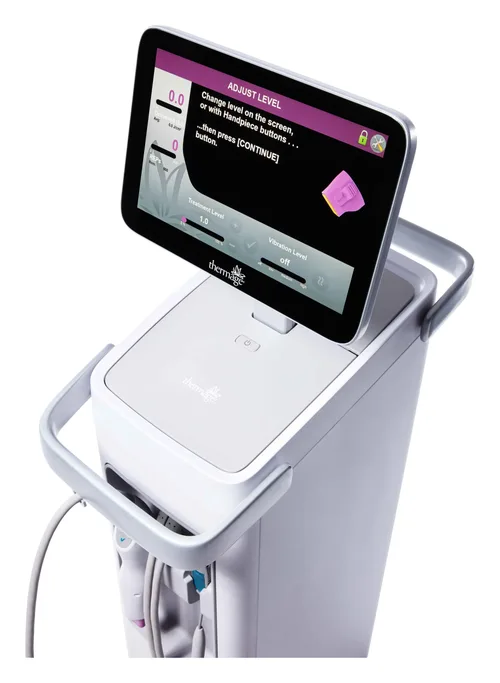
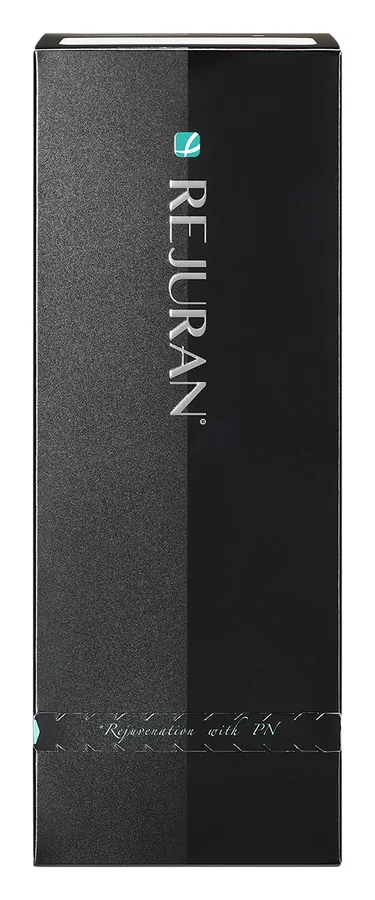
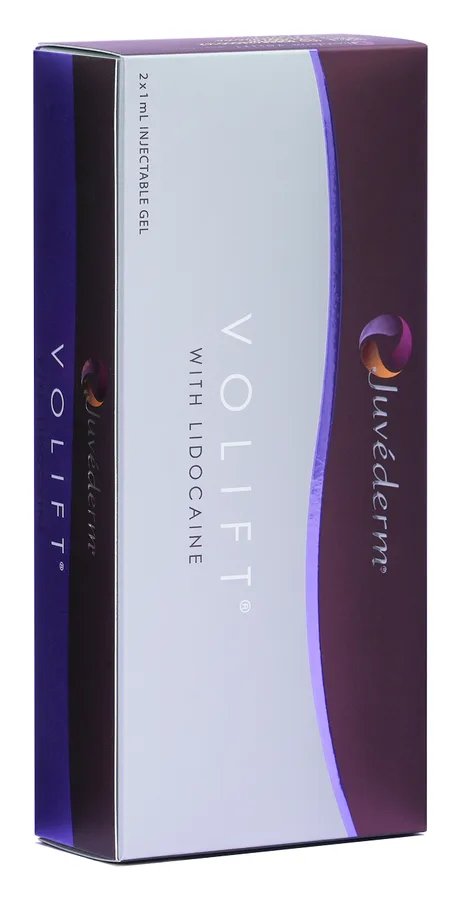
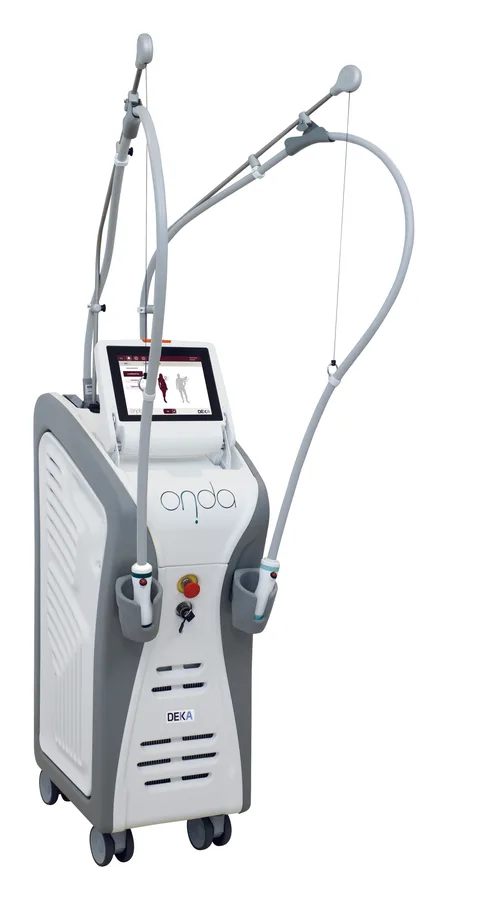
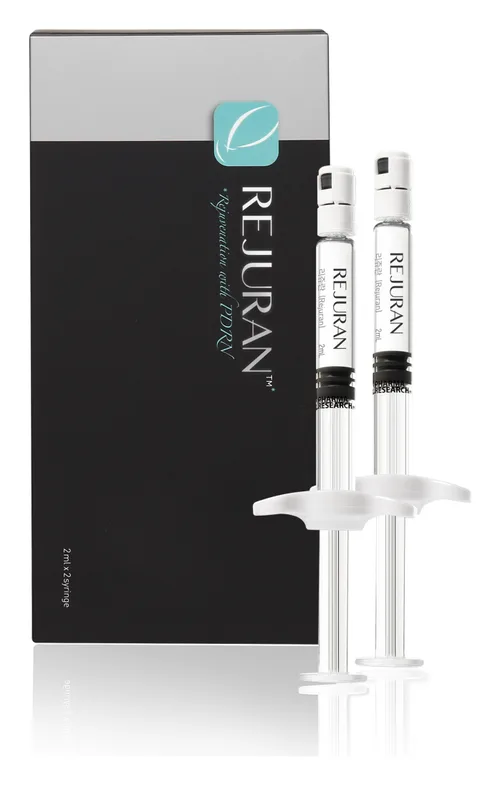
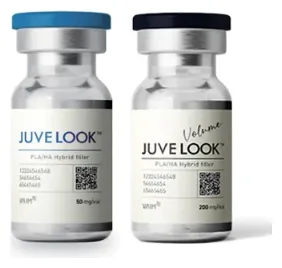
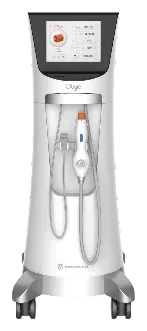
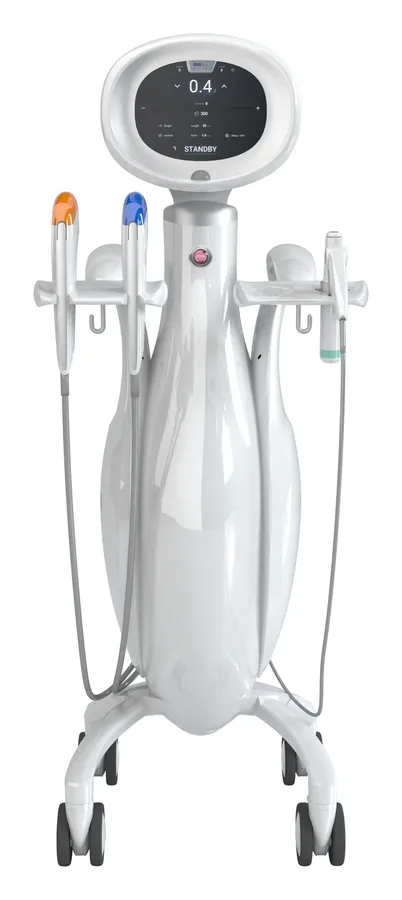
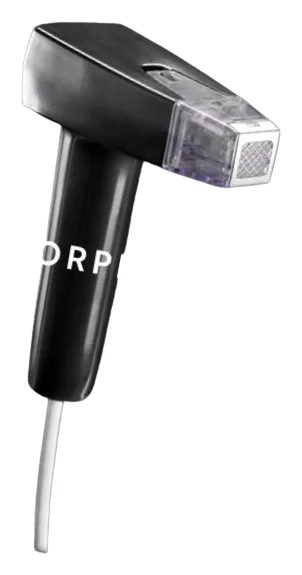
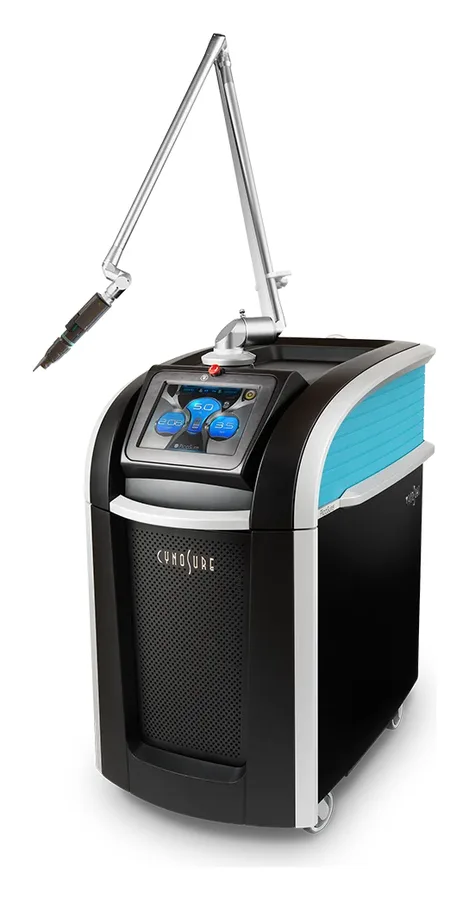
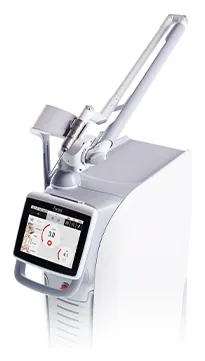
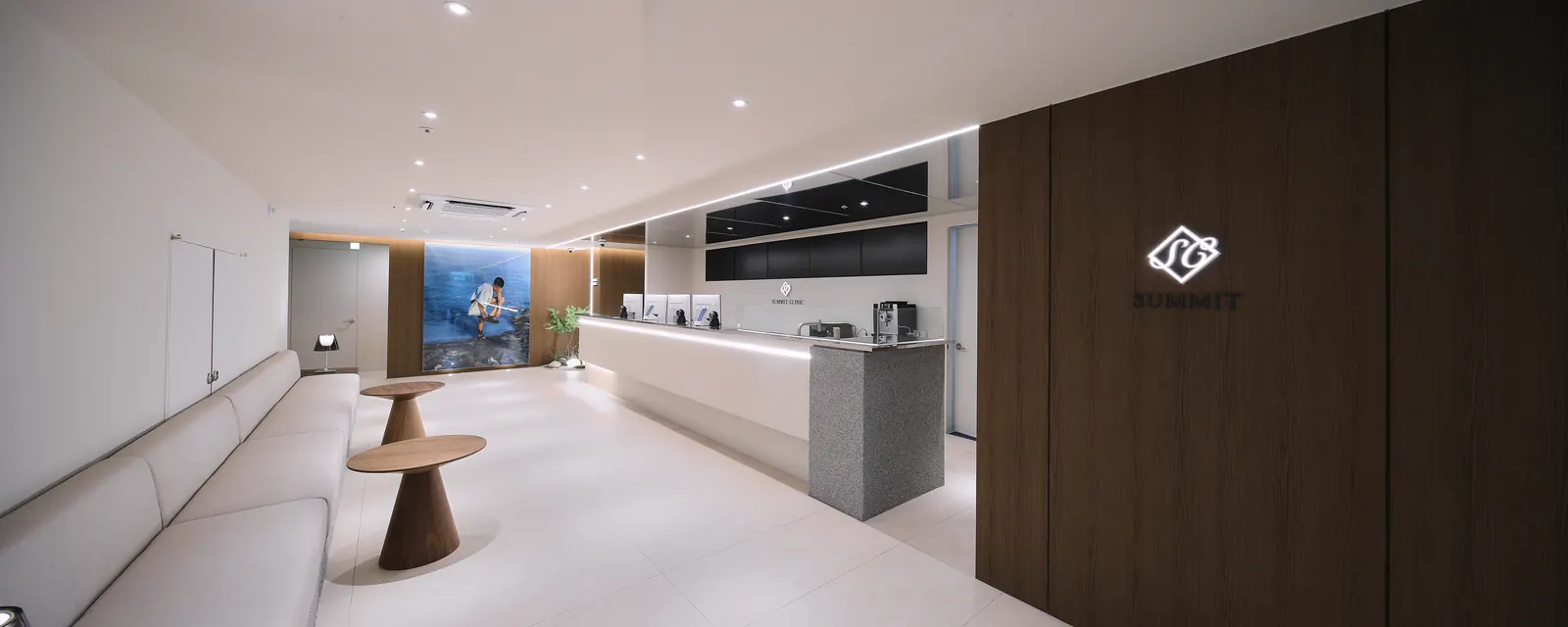
Summit Clinic is a non-surgical skin clinic in central Seoul, about 3 minutes on foot from Gwanghwamun Station (Line 5) Exit 5 and City Hall Station (Lines 1 and 2) Exit 4, and about 15 minutes on foot from Myeongdong. Its treatment menu spans lifting with Ultherapy PRIME, Thermage FLX and Onda; skin boosters such as Rejuran Healer, Juvelook and the Summit Premium Booster; a custom laser program drawing on devices such as PicoSure and Vbeam Perfecta; toxin and filler injections; and laser hair removal with GentleMax Pro Plus.
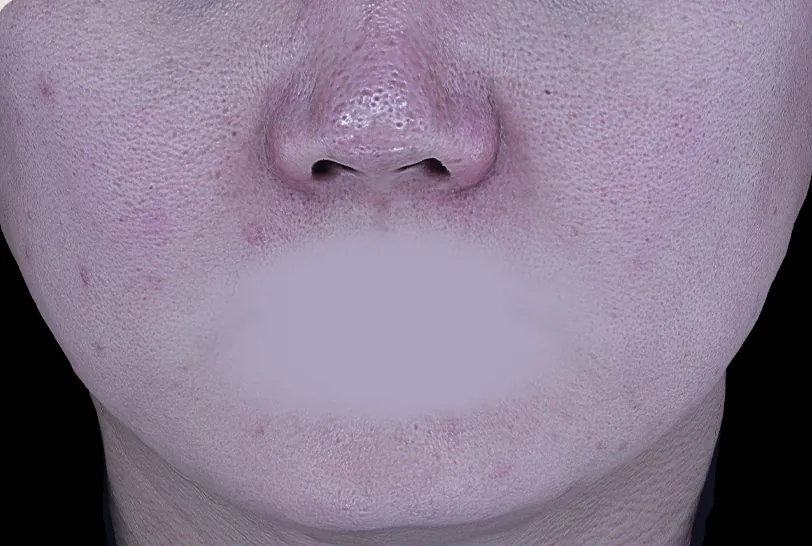
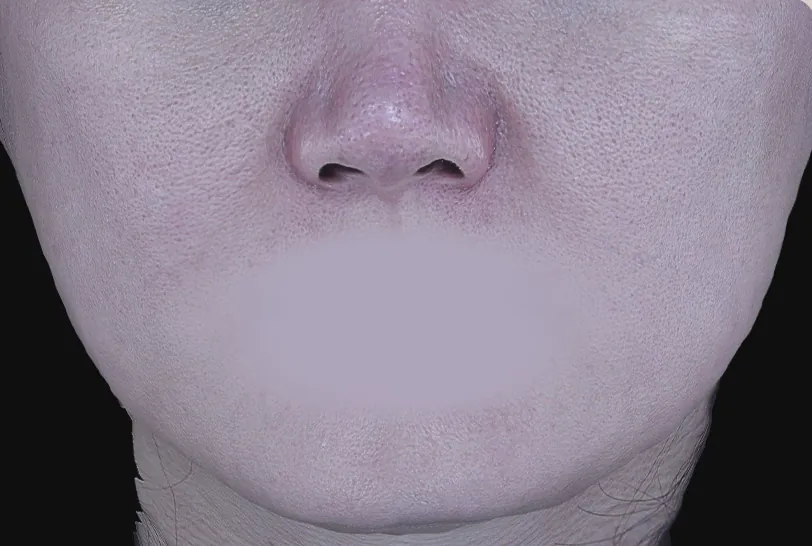
- Assessment: a 3D Meta-Vu and Mark-Vu skin analysis comes first, and the doctor reads the results with you before suggesting anything.
- Layered planning: where a lifting device and a booster are combined, the doctor explains that the energy device aims at deeper support layers while the booster works in the upper dermis.
- Who treats you: the doctor who plans your treatment also performs it, and a particular doctor can be requested at booking.
- Units and VAT: every price on the list carries its unit in shots, cc or sessions and is shown before VAT.
- Booking and payment: no deposit is taken, and overseas cards, cash, Alipay and WeChat Pay are accepted.
- Language and records: an English interpreter works at the clinic, questions go through WhatsApp before and after your visit, and a medical certificate or treatment confirmation can be issued on request.
A consultation and treatment on the same day is possible when the doctor judges it suitable. The clinic sees patients from 10:30 a.m. to 8:30 p.m. on weekdays with no lunch break and from 10:00 a.m. to 5:00 p.m. on Saturdays; Sundays are closed.
Dermatology treatment cost in South Korea, listed by unit
The lines below are a sample from Summit Clinic's list across lifting, boosters and laser care, each tied to a clear unit so it can be matched against a quote from anywhere else. Amounts are in Korean won, excluding VAT (10% VAT is added at payment). Your own plan is set by the doctor after the skin analysis, and the total follows that plan.
Ultherapy PRIME, 300 shots
₩1,140,000per session + VATSummit Premium Booster, 3cc
₩220,0001 session + VATJuvelook Skin, 2cc
₩241,000per session + VATRejuran Healer, 2cc
₩230,000per session + VATSummit Custom Laser, including 5 basic care sessions
₩1,500,00010 sessions + VATAll prices are in Korean won and exclude 10% VAT.
Exchange rate as of 2026-11-19 · converted amounts are for reference only; payment is in Korean won.
Events
This month’s price lists
 Gwanghwamun · Seoul
Limited-time pricing
NovemberOffers
Lifting devices planned one-to-one by your doctor — single sessions in shots.
01Ultherapy & Thermage
- Ultherapy PRIME · 300 shots₩1,140,000
- Ultherapy PRIME · 600 shots₩1,920,000
- Ultherapy PRIME · 900 shots₩2,670,000
- Thermage FLX · 300 shots₩1,490,000
- Thermage FLX · 600 shots₩2,290,000
02XERF, Shurink & Oligio
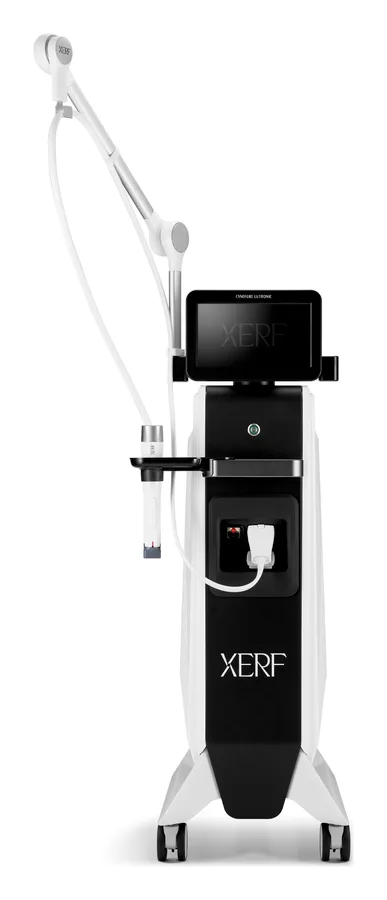
- XERF · 300 shots₩1,190,000
- XERF · 600 shots₩1,690,000
- Shurink Universe · 300 shots₩169,000
- Shurink Universe · 600 shots₩299,000
- Oligio · 300 shots₩400,000
- Oligio · 600 shots₩730,000
November offers · lifting — tap to book
Gwanghwamun · SeoulSignature combinations
LiftingPackages
Onda paired with a second lifting device in one visit — combinations the clinic offers as sets.
01Dual lifting with Onda
- Onda 80 kJ+ XERF 300 shots₩1,730,000
- Onda 80 kJ+ Ultherapy PRIME 300 shots₩1,870,000
- Onda 80 kJ+ Thermage FLX 300 shots₩2,090,000
- Onda 80 kJ+ Ultherapy PRIME 600 shots₩2,650,000
02Triple & lifting combinations
- Onda 80 kJ+ Ultherapy PRIME 300 + Thermage FLX 300₩3,360,000
- Onda 80 kJ+ Ultherapy PRIME 600 + Thermage FLX 600₩4,940,000
- Ultherapy PRIME 300 shots+ Thermage FLX 300 shots₩2,600,000
- Shurink Universe 600 shots+ Onda 80 kJ₩960,000
Lifting packages · dual & triple lifting — tap to book
Gwanghwamun · SeoulSummit × Onda · Fall
OndaFace & Body
Microwave “Coolwaves” energy for the jawline, double chin and body — priced by kJ.
01Face Onda
- Face Onda · 40 kJ₩410,000
- Face Onda · 60 kJ₩580,000
- Face Onda · 80 kJ₩760,000
- Face Onda · 100 kJ₩940,000
- Face Onda · 120 kJ₩1,110,000
02Body Onda
- Body Onda · 50 kJ₩380,000
- Body Onda · 100 kJ₩740,000
- Body Onda · 150 kJ₩1,120,000
- Body Onda · 200 kJ₩1,340,000
- Body Onda · 250 kJ₩1,910,000
Summit × Onda · face & body by kJ — tap to book
Gwanghwamun · SeoulLimited-time pricing
SkinBoosters
Single boosters and the combinations the clinic sets up for skin texture and resilience.
01Single boosters
- Rejuran Healer · 2 cc₩230,000
- Juvelook Skin · 2 cc₩241,000
- Juvelook Volume · 2 cc₩241,000
- Summit Meeting Booster · 3 cc₩160,000
- Exosome · 3 cc₩165,000
- Stem-cell skin booster · 1 kit₩1,150,000
02Booster combinations
- Rejuran Healer 2 cc+ Juvelook Skin 2 cc₩470,000
- Rejuran Healer 4 cc+ LDM 6 minutes₩450,000
- Rejuran Healer 4 cc+ Rejuran Eye 1 cc₩590,000
- Re2O 6 cc+ Rejuran Healer 2 cc₩870,000
Skin boosters · Rejuran, Juvelook, exosome & more — tap to book
Gwanghwamun · SeoulLaser & skin
Laser& Skin
Laser combinations chosen after a 3D skin analysis, plus hair removal with GentleMax Pro Plus.
01Custom laser & toning
- Custom laser · 10 sessionsbasic care 5 sessions included₩1,500,000
- Dual custom laser · 10 sessionsbasic care 5 sessions included₩2,000,000
- Triple custom laser · 10 sessionsbasic care 5 sessions included₩2,500,000
- Laser toning · 10 sessions₩490,000
02Hair removal & acne
- Underarms + upper lip · 5 sessionswomen₩130,000
- Upper lip, chin & under-chin · 5 sessionsmen₩450,000
- Morpheus8 pores & acne scars+ exosome 3 cc₩510,000
Laser & skin · custom laser, toning & hair removal — tap to book
The doctor who plans and performs it
Swipe to see each doctorUse the arrows to see each doctor
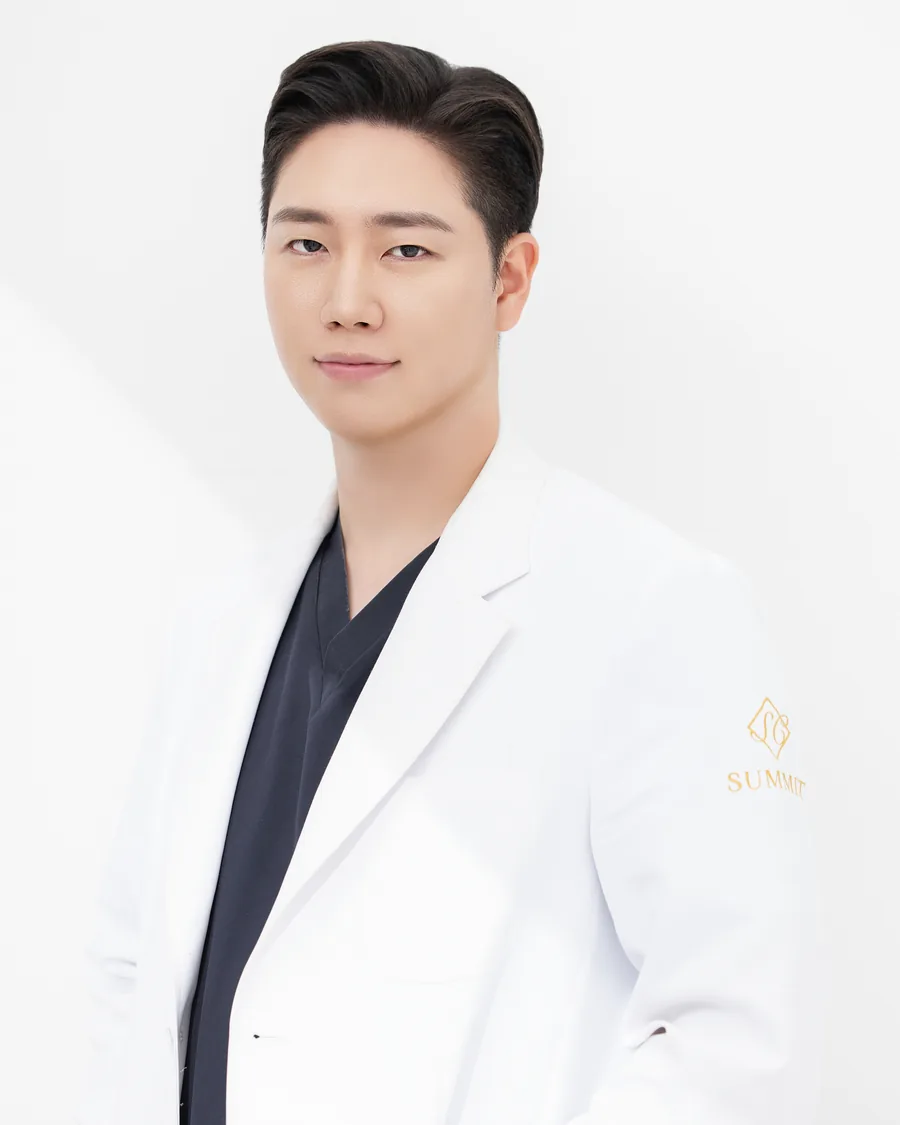
- Resident, Myongji Hospital
- Chief Epidemiological Investigator, Incheon Metropolitan City
- Director, Yeonpyeong Health Center
- Bachelor of Medicine, Kyung Hee University
- Internship, Kyung Hee University Hospital
- Full Member, Korean Association of Aesthetic Medicine
- Full Member, Korean Society of Obesity & Aesthetic Medicine
- Member, Korean Society for Obesity
- Member, Korean Society of Lifting
- Member, Korean Society of Aesthetic Surgery & Laser Medicine
- Member, Korean Society for Obesity
- Member, Korean Society of Aesthetic Surgery & Laser Medicine
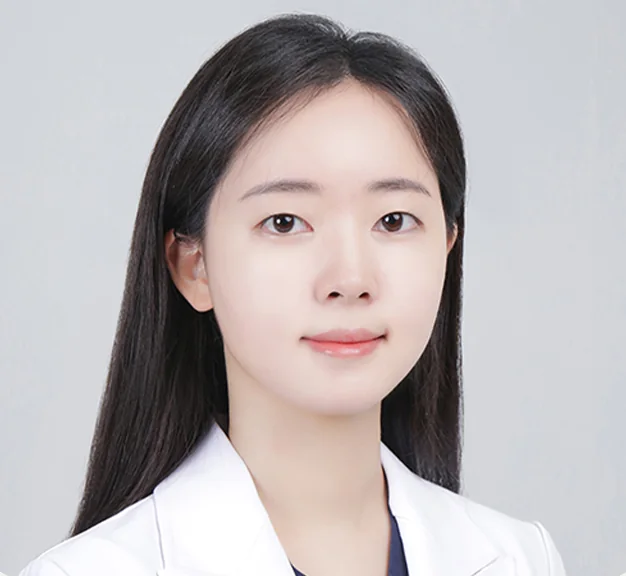
Your doctor plans your treatment one-to-one and performs it personally.
Meet our doctorsResearch behind this page
- Comparative efficacy and safety of fractional carbon dioxide and erbium-based fractional lasers for atrophic acne scars: A systematic review and meta-analysisLasers in Medical Science · 2026doi:10.1007/s10103-026-05022-z
Meta-analysis of five studies on atrophic acne scars: fractional CO2 trended toward higher response than erbium lasers (not significant in randomized trials alone), with more pain and about 3.7 more days of downtime.
- Aesthetic Efficacy and Safety of Combined Microfocused Ultrasound With Visualization and Calcium Hydroxylapatite Treatment: A Systematic Review of Human EvidenceAesthetic Surgery Journal · 2025doi:10.1093/asj/sjae239
Review of 11 studies combining micro-focused ultrasound with calcium hydroxylapatite filler: cosmetic improvement and mild to moderate side effects reported, but too few studies to confirm effect and safety.
- Polynucleotides and Polydeoxyribonucleotides for Skin Rejuvenation, Postoperative Scar Prevention, and Wound Healing: A Systematic Review of Randomized Clinical TrialsCureus · 2026doi:10.7759/cureus.112403
Review of seven randomized trials on polynucleotides and PDRN: signals of benefit, most consistent in wound healing, with no serious adverse events, but small and varied trials limit the evidence.
Questions visitors ask about dermatology clinics in Seoul
What happens during the skin assessment before treatment?
At Summit Clinic your skin is photographed with the 3D Meta-Vu and Mark-Vu skin analyzers before anything is planned. The doctor goes through the images with you, points out what they show about pigment, redness, texture and laxity, and only then suggests a plan with named devices or products.
Can a lifting treatment and a skin booster be done on the same visit?
They can be when the doctor finds both suitable for your skin. The energy device aims at deeper support layers and the booster at the upper dermis. Published research on combined treatments is still limited, so the doctor explains why the pairing fits you and how it affects recovery.
Who carries out the treatment once the plan is agreed?
Licensed Korean physicians at Summit Clinic plan and perform each treatment. The doctor who maps out your plan from the skin analysis is the one who performs it, and you can ask for a particular doctor when you make the booking.
Are the listed prices before or after VAT?
Before. Summit Clinic shows every price excluding VAT, and 10% is added when you pay at the desk. Keep this in mind when you set a Summit Clinic figure next to a quote from a clinic that lists amounts with tax already included.
Is a deposit needed to hold an appointment?
No deposit is needed to book. If your flight or plans change, send the new dates on WhatsApp and the team will suggest another time. Because nothing is paid up front, moving the appointment costs you nothing.
Can I fly home the day after a laser or injectable treatment?
It depends on the treatment and on how your skin reacts. Published reports put many non-surgical skin treatments in a same-day to next-day travel range, but redness, swelling or small bruises vary between people, so confirm the timing with your doctor on the day.
Can I get paperwork for my insurer or my doctor at home?
Yes, a medical certificate or a treatment confirmation can be issued if you ask for one. It lists what was done, which helps a doctor at home follow up. We cannot say whether your insurer will cover treatment abroad, so check that with them before you travel.
What are the clinic hours on weekdays and weekends?
Weekdays run from 10:30 a.m. to 8:30 p.m. with no lunch break, and Saturdays from 10:00 a.m. to 5:00 p.m. Sundays are closed. Public holidays can mean a closure or shorter hours, so check on WhatsApp before planning a holiday visit.